Why Property Investment in Malaysia Still Works in 2025
Despite cooling measures and cautious lending, property investment in Malaysia offers steady returns for those who know where to look. According to the National Property Information Centre (NAPIC), the residential property market saw a 2.3% price increase in 2024, with over 300,000 transactions nationwide.
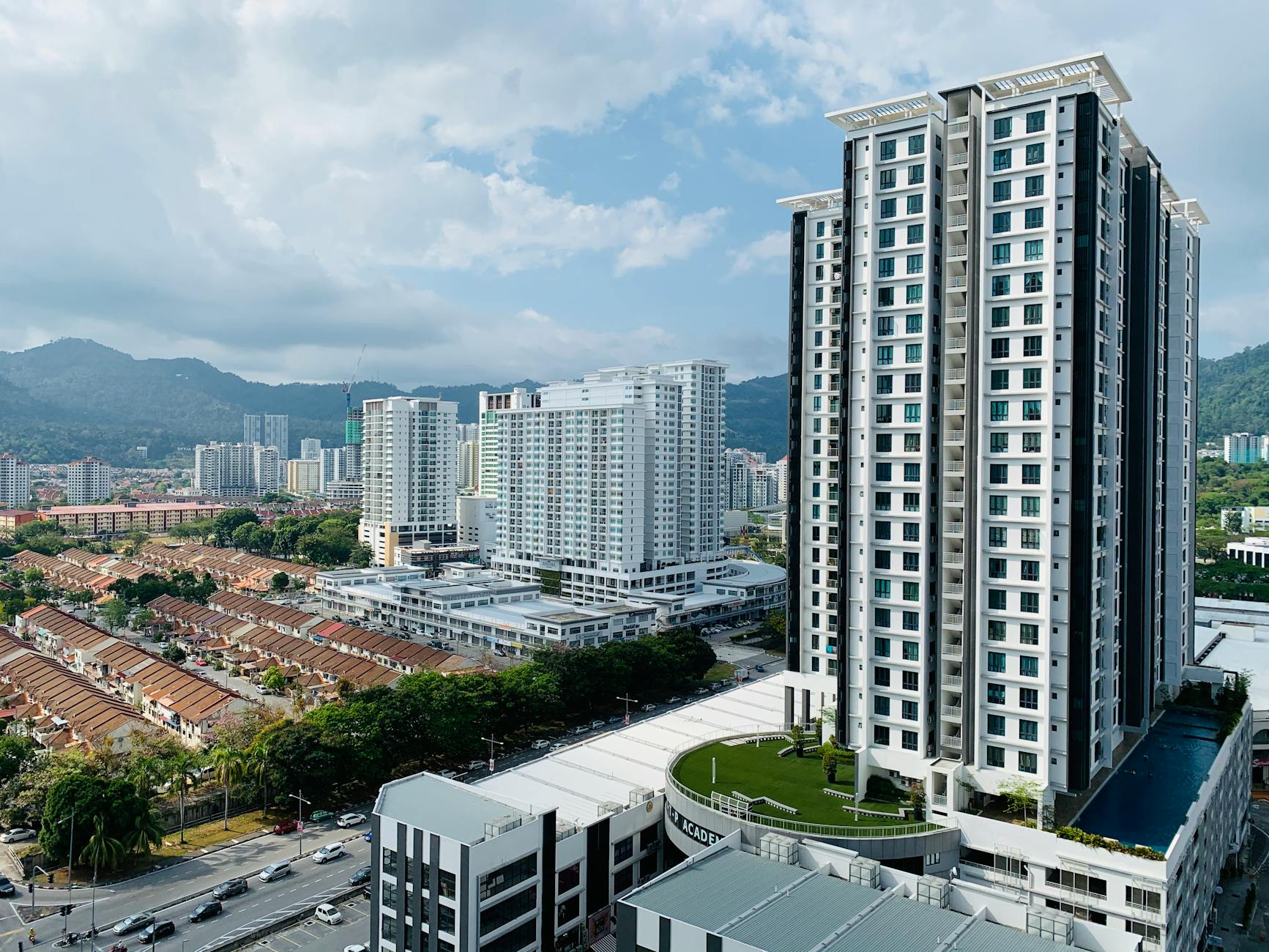
The key is to focus on locations with genuine demand, not speculative hype. Areas like Mont Kiara in Kuala Lumpur, George Town in Penang, and Iskandar Puteri in Johor continue to attract buyers and tenants.
Know the Rules: Cooling Measures and Rents
The Malaysian government maintains several cooling measures to prevent overheating. The Real Property Gains Tax (RPGT) applies to profits from property sales: 30% for disposals within 3 years, 20% for year 4, and 15% for year 5 (per the Real Property Gains Tax Act 1976). Foreign buyers also face a minimum purchase price of RM1 million in most states (source: Kementerian Perumahan dan Kerajaan Tempatan, 2024).
Rental income is taxable under the Income Tax Act 1967. You can claim deductions for maintenance, insurance, and loan interest. In 2024, the average gross rental yield in Malaysia was 4.2% for condominiums (source: NAPIC, 2025).
Financing Your Property: What Banks Look For
Getting a mortgage in Malaysia requires a good credit score and stable income. Most banks offer up to 90% loan-to-value (LTV) for the first property, but only 70% for the second (per Bank Negara Malaysia guidelines, 2025).
Your Debt Service Ratio (DSR) should not exceed 70% of your net income. Banks like Maybank, CIMB, and Public Bank use a standardised DSR calculator. Prepare documents such as salary slips, EPF statements, and tax returns (source: Bank Negara Malaysia, 2025).
| Property Type | Average Price (RM, 2025) | Typical Loan LTV |
|---|---|---|
| Condominium (KL City Centre) | 750,000 | 90% |
| Terraced House (Penang Island) | 1,200,000 | 70% |
| Serviced Apartment (Iskandar Puteri) | 500,000 | 80% |
Real Talk
In my experience, many first-time investors underestimate the holding costs — maintenance fees, quit rent, and assessment taxes can eat into your returns. What surprised me is how often people ignore the location's rental demand; a cheap property in a low-demand area is a liability, not an asset. What people get wrong is thinking they need a huge down payment — the key is to start small, perhaps with a studio unit in a well-connected suburb, and reinvest the profits.
Choosing the Right Strategy: Buy-to-Let vs Flipping
Buy-to-let requires patience. A property in Subang Jaya, for instance, might yield 4.5% rental return but appreciate slowly. Flipping — buying and selling within 3 years — triggers high RPGT (30%), so it's only viable for properties with rapid appreciation, such as those near new MRT stations in Kuala Lumpur (per the Land Public Transport Agency, 2025).
For long-term investors, consider properties in areas with planned infrastructure. The Johor Bahru–Singapore Rapid Transit System (RTS) Link, expected to complete by 2026, has already boosted land values in Bukit Chagar and surrounding areas (source: The Edge Markets, 2024).
Tax Planning and Legal Pitfalls
Engage a qualified lawyer to handle the Sale and Purchase Agreement (SPA). Stamp duty for the first RM100,000 of property price is 1%, then 2% for RM100,001–RM500,000, and 3% for RM500,001–RM1,000,000 (per the Stamp Act 1949).
You can deduct RPGT by offsetting renovation costs and legal fees. However, you must keep receipts for at least 7 years (source: Lembaga Hasil Dalam Negeri Malaysia, 2025). Avoid buying under a nominee arrangement — it's illegal and can void your ownership rights.