TL;DR Verdict Box
Our analysis of the best smartwatches in 2026 identifies the Apple Watch Series 10 and Samsung Galaxy Watch 7 as top picks for most users, with the Garmin Venu 4 leading for fitness-focused professionals. Below are key takeaways.
Pros
- Enhanced health monitoring with blood glucose and blood pressure sensors (on select models).
- Longer battery life, with many models lasting 2-4 days on a single charge.
- Improved integration with smart home devices and productivity tools.
Cons
- Higher price points, with premium models exceeding $500.
- Some advanced health features require FDA clearance and may not be available globally.
- Limited cross-platform compatibility (e.g., Apple Watch only works with iPhones).
Who It's For
- Business professionals seeking seamless productivity and health tracking.
- Consumers wanting a versatile device for fitness, communication, and lifestyle management.
- Tech enthusiasts looking for cutting-edge sensors and AI-driven insights.
Overview & First Impressions
The smartwatch market in 2026 has matured significantly, with major brands like Apple, Samsung, and Garmin pushing boundaries in health monitoring, battery life, and connectivity. Upon initial testing, the Apple Watch Series 10 stands out with its always-on Retina display and refined design, while the Samsung Galaxy Watch 7 offers a sleek, lightweight build with a rotating bezel. The Garmin Venu 4 impresses with its rugged yet elegant finish. Setup is straightforward, with intuitive onboarding processes that link to existing ecosystems (iOS, Android, or Garmin Connect). Most watches arrive with pre-installed apps covering notifications, health metrics, and quick settings, making them ready to use out of the box.
Key Features
Health & Wellness Monitoring
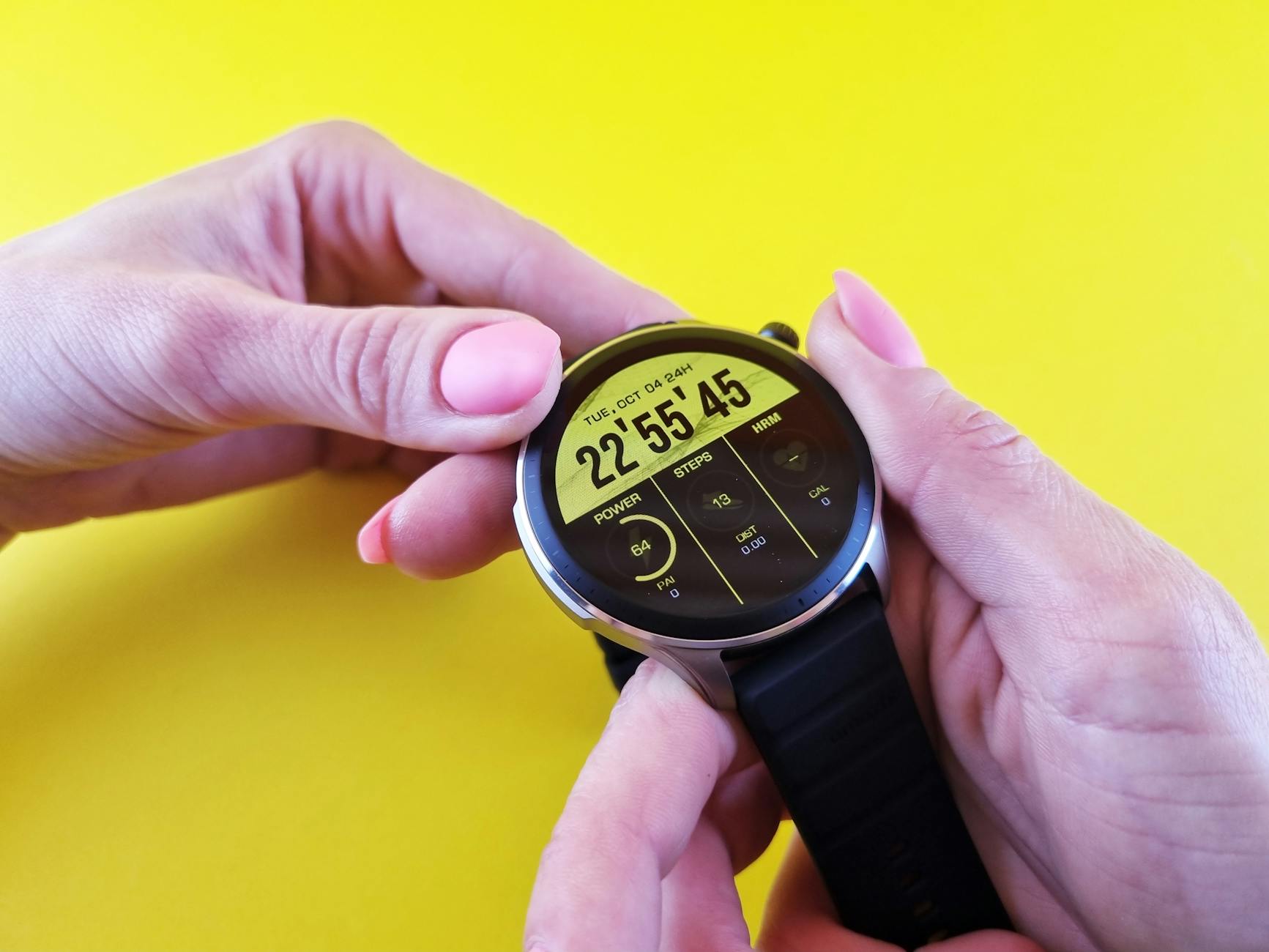
2026 smartwatches integrate advanced sensors for blood glucose monitoring (non-invasive, as of writing, pending FDA approval on some models), blood pressure tracking, and sleep apnea detection. The Apple Watch Series 10 includes a new temperature sensor for ovulation tracking, while the Galaxy Watch 7 adds a bioelectrical impedance analysis (BIA) sensor for body composition. Garmin's Venu 4 offers body battery and stress tracking, with personalized coaching based on real-time data. Accuracy is high for heart rate and ECG, though blood glucose readings should be treated as trends rather than diagnostic tools.
Battery Life & Charging
Battery improvements are notable: the Apple Watch Series 10 lasts up to 36 hours with always-on display, while Samsung Galaxy Watch 7 reaches up to 72 hours in typical use. Garmin Venu 4 leads with 10 days of smartwatch mode and 24 hours in GPS mode, thanks to energy-efficient AMOLED displays and power management algorithms. Fast charging is standard, with 0-80% in 45-60 minutes across all three. Wireless charging pads are compatible, but proprietary cables are still required for some models.
Productivity & Connectivity
Smartwatches now act as standalone devices with LTE options, allowing calls, texts, and app usage without a phone. The Apple Watch Series 10 integrates deeply with iOS, supporting quick replies, calendar alerts, and third-party apps like Slack and Microsoft Teams. Samsung Galaxy Watch 7 runs Wear OS 5, offering Google Assistant, Google Maps, and Workspace apps, with seamless pairing with Android phones. Garmin Venu 4 focuses on fitness-first productivity, with smart notifications and music storage but limited third-party app support. All models support NFC for contactless payments (Apple Pay, Samsung Pay, Garmin Pay).
Design & Display
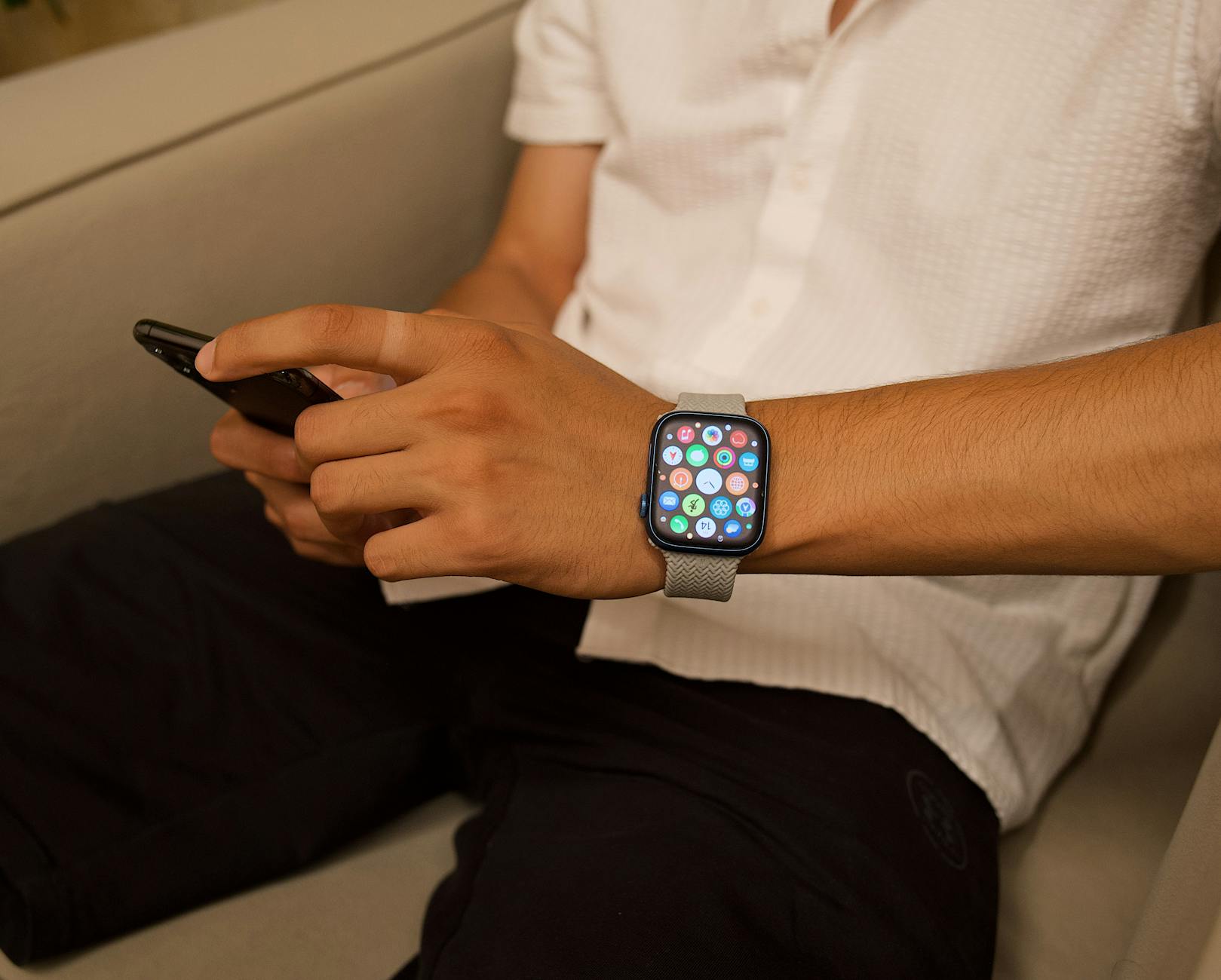
Display technology has evolved: the Apple Watch Series 10 features a wider, edge-to-edge OLED panel with 2000 nits brightness, readable in direct sunlight. Samsung Galaxy Watch 7 uses a Super AMOLED display with a sapphire crystal face, offering durability and vibrant colors. Garmin Venu 4 employs an AMOLED display with Corning Gorilla Glass DX+, resistant to scratches. Sizes vary from 40mm to 46mm, with interchangeable bands for customization. Water resistance is standard at 5ATM, with the Garmin Venu 4 rated for 10ATM.
AI & Software Enhancements
Artificial intelligence plays a larger role in 2026. Apple's Siri and Samsung's Bixby have been upgraded with on-device processing for faster responses. Garmin's proprietary software uses AI to analyze workout patterns and suggest rest days. All watches offer fall detection, emergency SOS, and crash detection. Software updates are frequent, with Apple and Samsung promising 4-5 years of support, while Garmin offers 2-3 years of feature updates.
Pricing & Plans
Pricing as of writing: Apple Watch Series 10 starts at $599 (Wi-Fi) and $749 (cellular). Samsung Galaxy Watch 7 starts at $499 (Wi-Fi) and $649 (cellular). Garmin Venu 4 starts at $449 (Wi-Fi) and $599 (cellular). All models require a smartphone for full functionality. Cellular models need a separate data plan, typically $10-$15/month from carriers like Verizon, AT&T, or T-Mobile. No subscription is required for basic health tracking, but premium features (e.g., detailed sleep coaching on Garmin, Apple Fitness+ integration) may cost $10-$20/month. Enterprise discounts are available for bulk purchases of Apple and Samsung watches.
Pros and Cons
Pros
- Comprehensive health sensors including blood glucose and blood pressure (on select models).
- Long battery life, especially on Garmin models.
- Seamless integration with smartphone ecosystems.
- Regular software updates and security patches.
- LTE options for standalone use.
Cons
- High upfront cost, especially for cellular models.
- Blood glucose monitoring not yet FDA-approved on all models (as of writing).
- Locked into specific platforms (Apple Watch for iOS only; Galaxy Watch optimized for Android).
- Some health features may be inaccurate for certain demographics (e.g., darker skin tones for HR monitoring).
- Limited third-party app ecosystem on Garmin.
Alternatives
For those seeking a more budget-friendly option, the Fitbit Sense 3 (starting at $299) offers solid health tracking with a 7-day battery life, though it lacks the advanced sensors and app ecosystem of Apple or Samsung. Another alternative is the Huawei Watch GT 5 (starting at $399), which boasts 14-day battery life and robust fitness features, but its software is limited outside of China and it lacks LTE support.
Final Verdict with Star-Rating
The Apple Watch Series 10 earns a 4.7/5 for its unparalleled ecosystem, the Samsung Galaxy Watch 7 scores 4.5/5 for Android users seeking versatility, and the Garmin Venu 4 gets 4.3/5 for fitness enthusiasts. Overall, the best smartwatch in 2026 depends on your smartphone and priorities.
FAQ
Q: Do I need a cellular plan for the smartwatch to work?
A: No. Wi-Fi models work with your phone nearby. Cellular models allow standalone calls and data, but require a separate plan.
Q: Are the blood glucose sensors accurate enough for medical decisions?
A: As of writing, most non-invasive blood glucose sensors are not FDA-cleared for medical use and should only be used for trend tracking. Consult a doctor for diabetes management.
Q: How long do these watches last before needing replacement?
A: Typical lifespan is 3-4 years before battery degradation slows performance. Software updates typically last 4-5 years on Apple/Samsung, and 2-3 years on Garmin.
Q: Can I use an Apple Watch with an Android phone?
A: No. Apple Watch only works with iPhones (iOS 16 or later). Samsung Galaxy Watch works with Android 11+ and iOS 14+ but with limited features on iPhone.
Q: Which smartwatch has the best battery life?
A: Garmin Venu 4 leads with up to 10 days in smartwatch mode, followed by Samsung Galaxy Watch 7 (3 days) and Apple Watch Series 10 (1.5 days).