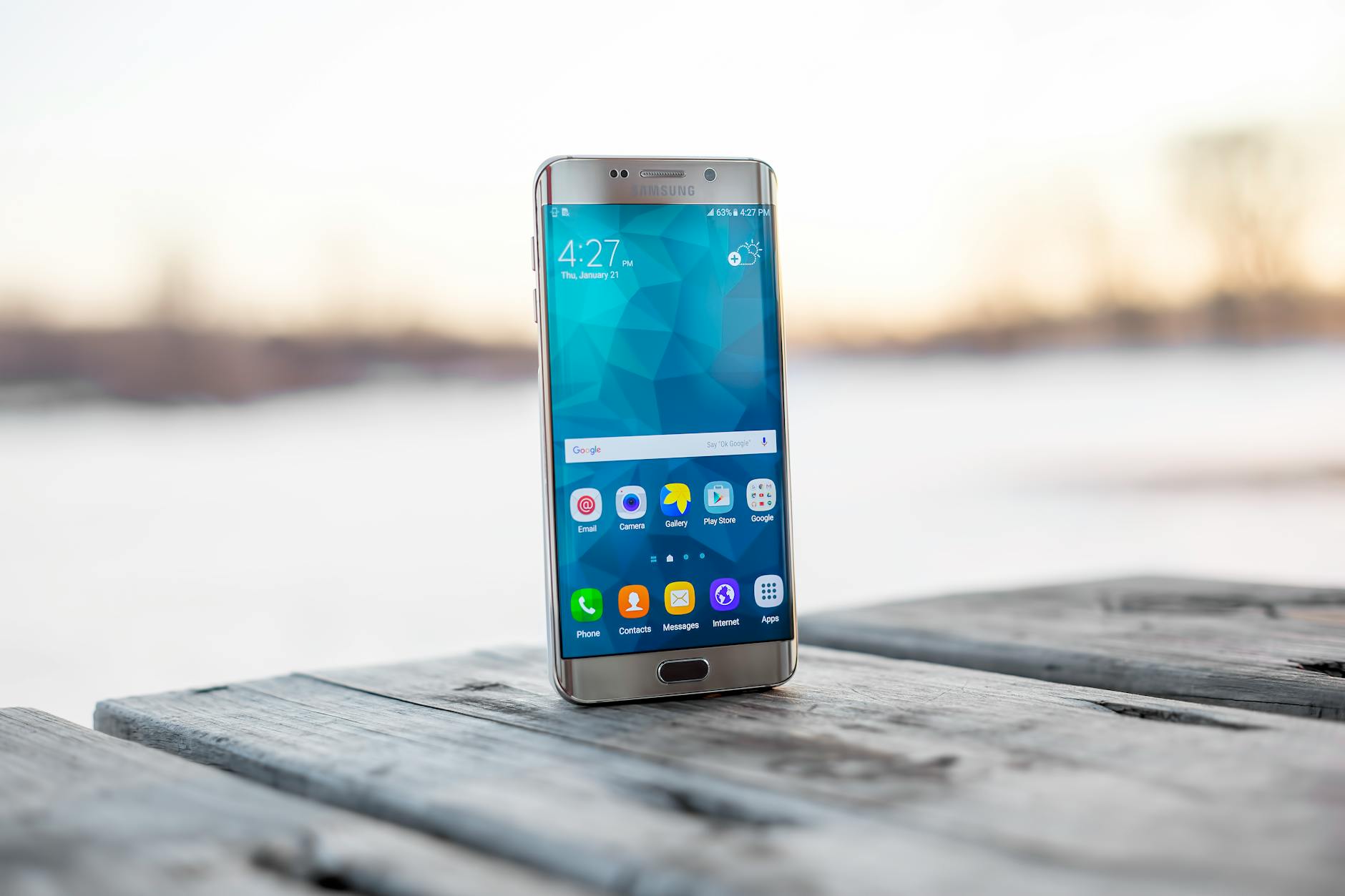
At a glance: iPhone 16 vs Galaxy S25
Both the iPhone 16 and Samsung Galaxy S25 represent the latest flagship offerings from their respective camps, but they cater to slightly different priorities. The iPhone 16 leans into a refined ecosystem, strong video capabilities, and long-term software support. The Galaxy S25 counters with a more versatile camera system, faster charging, and deeper customisation. Here's how they stack up on key specs and Singapore-specific considerations.
Pricing and Value
In Singapore, the iPhone 16 starts at S$1,299 for the 128GB model, while the Galaxy S25 launches at S$1,248 for the same base storage. Both are available through telcos like Singtel, StarHub, and M1, often with 24-month contract plans. The S25 occasionally sees earlier discounts during seasonal sales like 11.11 or Shopee's birthday sale, while iPhone 16 prices tend to hold firm until the next model releases. For budget-conscious buyers, the S25 offers more frequent promo bundles, such as free Galaxy Buds or storage upgrades.
Ease of Use
The iPhone 16 runs iOS 18, which remains intuitive for those already in Apple's ecosystem—iCloud, AirDrop, and seamless handoff to Mac or iPad. The Galaxy S25 runs One UI 6.1 based on Android 14, offering extensive customisation via Good Lock modules and a more flexible home screen. For Singaporeans switching from an older Android phone, Samsung's Smart Switch makes migration straightforward. iOS users will find the iPhone 16's gesture-based navigation familiar, while Android veterans will appreciate the S25's split-screen multitasking and edge panels.
Integrations
Apple's ecosystem is the clear winner here: if you own a MacBook, iPad, or Apple Watch, the iPhone 16 integrates effortlessly—Universal Clipboard, AirDrop, and iMessage sync across devices. Samsung's ecosystem is also robust but requires Galaxy Book laptops or Galaxy Buds for full benefit. For Singapore users who rely on Google services (Gmail, Drive, Google Pay), the Galaxy S25 feels more native. Apple Pay is widely accepted at local retailers, but Samsung Pay also supports Ez-Link cards for public transport, a plus for MRT and bus commuters.
Support and Warranty
Both brands offer official warranty support in Singapore. Apple has retail stores at Orchard Road and Jewel Changi, plus authorised service centres islandwide. Samsung has a flagship store at VivoCity and service centres at Plaza Singapura and Bugis+. Apple's support is generally faster for walk-ins, but Samsung provides longer warranty periods on certain components (e.g., two years for battery if part of a promotion). Software updates: Apple promises six years of major iOS updates; Samsung now guarantees seven years of OS and security updates for the S25 series.
Best For
- iPhone 16: Users heavily invested in Apple's ecosystem, video creators, and those who prioritise long-term software support and resale value.
- Galaxy S25: Android enthusiasts, photographers wanting zoom versatility, power users needing faster charging, and anyone who prefers customisation.
Feature-by-Feature Comparison
Design and Display
The iPhone 16 retains the flat-edged design with an aluminium frame and ceramic shield front. Its 6.1-inch Super Retina XDR OLED display hits 2,000 nits peak brightness, great for outdoor use under Singapore's tropical sun. The Galaxy S25 features a 6.2-inch Dynamic AMOLED 2X display with 2,600 nits peak brightness and a 120Hz adaptive refresh rate (the iPhone 16 sticks to 60Hz). In hand, the S25 feels lighter at 167g vs the iPhone's 171g. Both have IP68 water resistance, but Samsung's Gorilla Glass Armor is slightly more scratch-resistant.
Performance
Apple's A18 Bionic chip, built on a 3nm process, leads in single-core performance and efficiency. The Galaxy S25's Exynos 2500 (or Snapdragon 8 Gen 4 for some markets, varies by region) is no slouch, matching multi-core scores in benchmarks. In real-world use, both handle Genshin Impact and 4K video editing without stutter. However, the iPhone 16's thermal management is better during prolonged gaming sessions, a plus for Singapore's humid conditions. RAM: iPhone 16 has 8GB; Galaxy S25 offers 12GB, which aids multitasking.
Cameras
The iPhone 16 features a dual-camera setup: a 48MP main (f/1.6) with sensor-shift stabilisation and a 12MP ultrawide (120° FOV). It excels in video recording—4K at 60fps with cinematic mode, and new 'Action Mode' for stabilised footage. The Galaxy S25 has a triple-camera array: a 50MP main, a 12MP ultrawide, and a 10MP telephoto with 3x optical zoom. The telephoto lens gives the S25 a clear edge for zoomed shots at concerts or events. Night mode is comparable, but Samsung's processing tends to oversharpen details, while Apple's photos look more natural. Selfie cameras: both 12MP, but Samsung's has a wider angle for group selfies.
Battery and Charging
Battery capacity varies by plan, but the iPhone 16 has a ~3,560mAh cell, while the Galaxy S25 packs ~4,000mAh. In daily use, both last a full day with moderate usage—social media, messaging, and video streaming. The iPhone 16 supports 27W wired charging (0-50% in 30 minutes) and 15W MagSafe. The S25 supports 45W wired charging (0-65% in 30 minutes) and 15W wireless. Samsung's faster charging is a boon for busy Singaporeans. Both support reverse wireless charging for accessories like Galaxy Buds or AirPods.
Verdict: which one for whom
Choose the iPhone 16 if you're already in Apple's ecosystem, need best-in-class video recording, and value long-term software updates and high resale value. It's ideal for content creators and those who prefer a polished, lock-down experience. Opt for the Galaxy S25 if you want more camera versatility (especially zoom), faster charging, a higher refresh rate display, and deeper customisation. It's better for multitaskers, Android fans, and those who frequently use public transport with Samsung Pay's Ez-Link integration. In Singapore, both are excellent flagships—your choice ultimately hinges on ecosystem loyalty and specific feature priorities.