At a Glance: iPhone 16 vs Galaxy S25
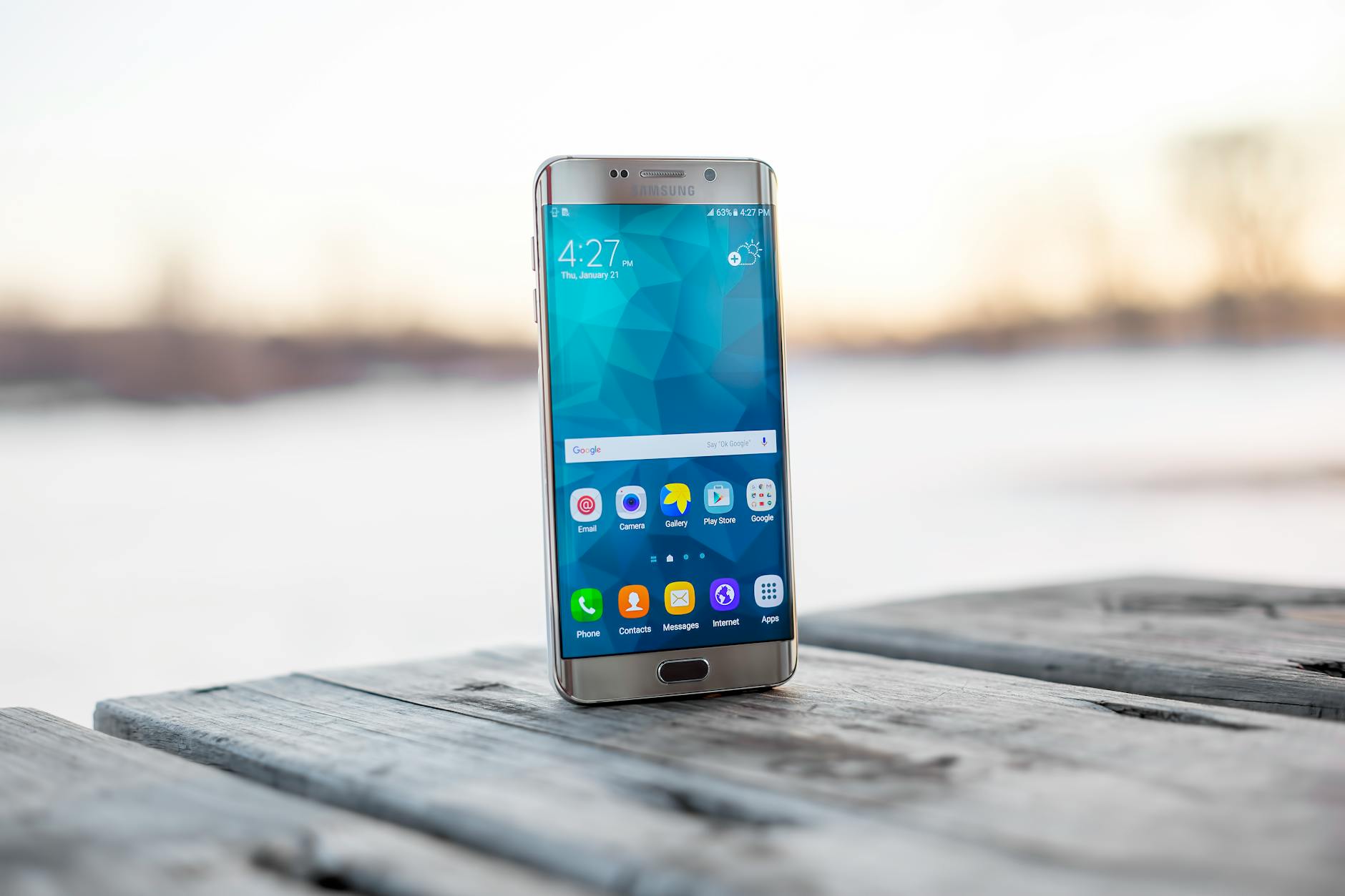
Both the iPhone 16 and Samsung Galaxy S25 are set to launch in Singapore around the same window, likely September and early 2025 respectively. The iPhone 16 carries Apple’s familiar design language with a 6.1-inch OLED display, A18 Bionic chip, and a dual-camera system. The Galaxy S25, on the other hand, will feature a 6.2-inch Dynamic AMOLED 2X screen, the Exynos 2500 or Snapdragon 8 Gen 4 (varies by region), and a triple-camera setup. Both phones support 5G, have IP68 water resistance, and ship with their respective latest OS versions. In Singapore, the iPhone 16 typically starts at S$1,299, while the Galaxy S25 is expected to launch around S$1,248. The choice often boils down to ecosystem loyalty and specific feature priorities.
Pricing and Value
The iPhone 16 starts at S$1,299 for the 128GB model, while the Galaxy S25 is expected at S$1,248 for the same base storage. Both carriers like Singtel, StarHub, and M1 offer contract plans that reduce upfront costs. Apple’s trade-in program in Singapore tends to hold value better, often offering S$200–S$400 for older iPhones. Samsung’s trade-in is competitive but varies more by device condition. For budget-conscious buyers, the Galaxy S25 sometimes sees faster price drops after a few months, while iPhone resale value remains higher over two years. Neither phone includes a charger in the box—Apple dropped it earlier, and Samsung followed suit with the S25 series.
Ease of Use
iOS 18 on the iPhone 16 remains intuitive if you’re already in Apple’s ecosystem—iMessage, FaceTime, and AirDrop work seamlessly across devices. The Galaxy S25 runs One UI 6.1 (based on Android 14), which is feature-rich but can feel cluttered for new users. Samsung’s DeX mode lets you connect to a monitor for a desktop-like experience, a feature Apple lacks. In Singapore, where WhatsApp is dominant, both platforms handle messaging equally well. The iPhone’s gesture navigation is smoother, while Samsung offers more customization like always-on display tweaks and edge panels. For those switching from Android, Samsung’s Smart Switch makes migration easy, but Apple’s Move to iOS app is less reliable.
Integrations and Ecosystem
If you own an iPad, MacBook, AirPods, or Apple Watch, the iPhone 16 is the obvious choice—Handoff, Universal Clipboard, and AirPlay just work. Samsung’s Galaxy ecosystem includes Galaxy Buds, Galaxy Watch, and Galaxy Tab, which integrate via Samsung Flow and Quick Share. In Singapore, Apple’s ecosystem is more pervasive—many households have multiple Apple devices—but Samsung’s ecosystem is catching up, especially with SmartThings for home automation. Both support seamless switching between their own earbuds, but Apple’s integration is tighter for music and calls. Cross-platform apps like Google Drive and Microsoft Office work identically on both.
Support and Warranty
Apple offers one-year warranty in Singapore, extendable to three years via AppleCare+ (S$299). Service centers are located at Orchard Road, Jewel Changi, and several authorized resellers. Samsung also provides one-year warranty, with Samsung Care+ available for S$199 (two years). Samsung’s service network is broader, with walk-in centers at Plaza Singapura and Bugis Junction, plus mobile service vans. Response times are similar—typically 1–3 days for common repairs. Apple’s support via phone and chat is more streamlined, but Samsung’s local service centers are more numerous. Both companies offer online tracking for repairs.
Best For
The iPhone 16 is best for users deeply embedded in Apple’s ecosystem, those who prioritize long-term software updates (5+ years), and anyone who values resale value. The Galaxy S25 is ideal for Android enthusiasts who want customization, expandable storage (via microSD, if included), and a versatile camera system with telephoto zoom. In Singapore, the iPhone 16 appeals to professionals using Macs and iPads, while the Galaxy S25 suits power users who tinker with settings or need DeX for productivity. For photography, the Galaxy S25’s triple camera offers more flexibility, but the iPhone 16’s computational photography delivers consistent results.
Verdict: Which One for Whom
Choose the iPhone 16 if you already own Apple devices, want the smoothest ecosystem experience, and plan to keep the phone for 4–5 years. Opt for the Galaxy S25 if you prefer Android’s flexibility, need a telephoto lens, or want to use DeX for work. In Singapore, both are excellent flagships, but your ecosystem loyalty will likely decide the winner. For most users, the iPhone 16 edges ahead due to its superior resale value and longer software support, but the Galaxy S25 offers better value for money at launch.