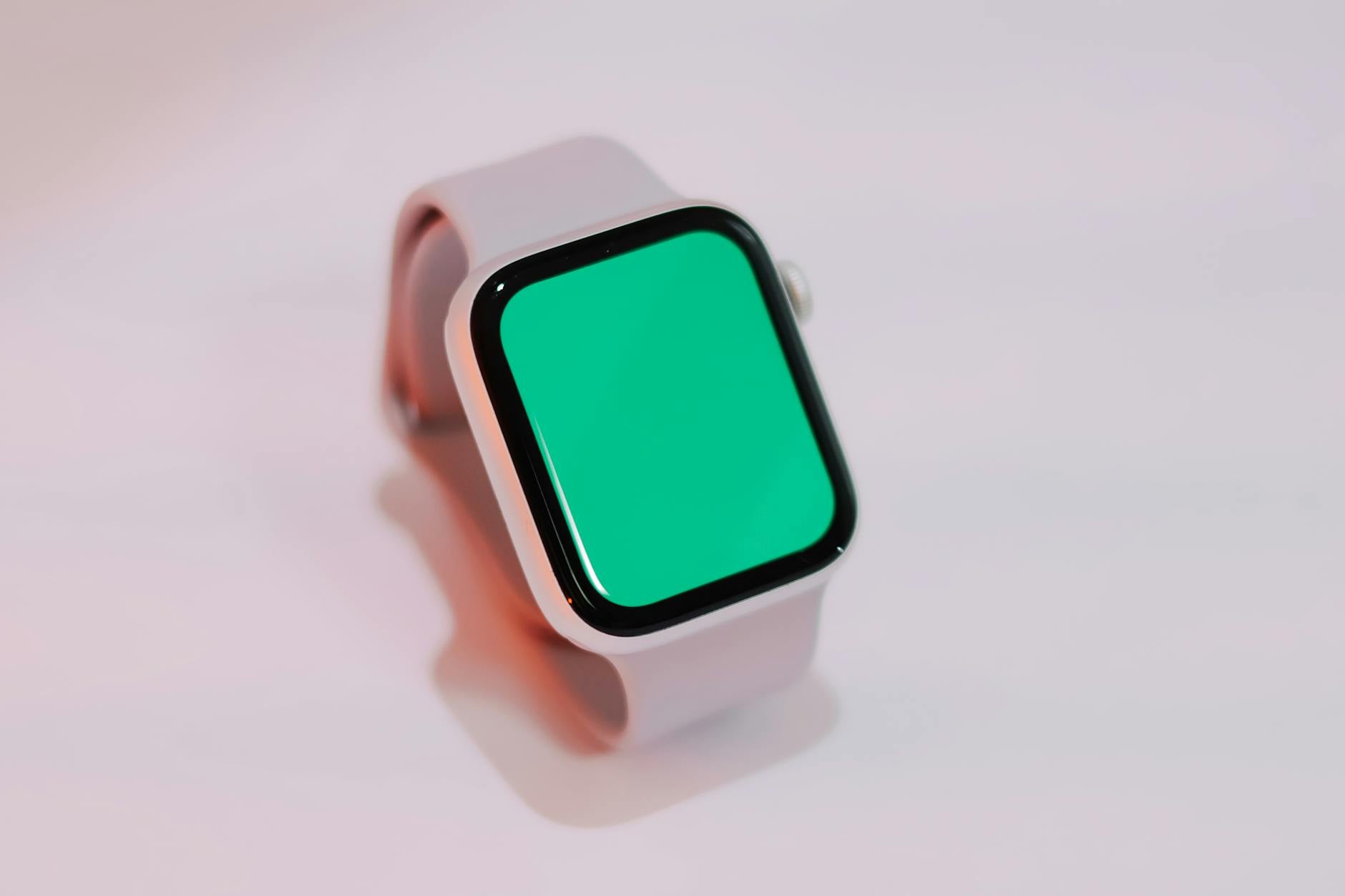
At a Glance: Apple Watch vs Samsung Galaxy Watch
Both the Apple Watch (Series 9, Ultra 2) and Samsung Galaxy Watch (6 Classic, Watch 6) are premium smartwatches, but they cater to different ecosystems. In Singapore, where iPhone and Samsung phone adoption is high, your choice largely depends on your phone. Apple Watch is deeply tied to iOS, while Galaxy Watch pairs best with Android. Below, we break down the key differences.
Pricing
Apple Watch Series 9 starts at around S$599 (GPS) in Singapore, while the Galaxy Watch 6 starts at about S$498. The Apple Watch Ultra 2 is pricier at S$1,299, versus the Galaxy Watch 6 Classic at roughly S$598. Prices vary by retailer (e.g., Apple Store, Lazada, Shopee) and promotions. Cellular models add S$100–S$200. Both brands offer frequent discounts during Singapore's 11.11, Black Friday, and Great Singapore Sale.
Ease of Use
Apple Watch: Intuitive for iPhone users—setup is seamless via the Watch app. The interface is smooth, with a Digital Crown and touch screen. Siri works well, but you need an iPhone. Galaxy Watch: Runs Wear OS by Samsung, which is smooth on Android phones. The rotating bezel (on Classic) is tactile and easy to navigate. Setup requires the Galaxy Wearable app. For Singapore users, both offer local language support (English, Chinese, Malay) and localized features like MRT/Bus card integration (Apple Pay with SimplyGo, Samsung Pay with EZ-Link).
Integrations
Apple Watch: Deep integration with iPhone, iPad, Mac, and Apple services (iCloud, Fitness+, Health). Works with many third-party apps (e.g., Strava, MyFitnessPal). No native support for Android. Galaxy Watch: Best with Samsung phones (e.g., Galaxy S24, Z Fold5) but works with any Android 8.0+ phone. Integrates with Samsung Health, SmartThings, and Google services (Google Fit, Google Pay). Limited integration with iOS—no iPhone support.
Support
Apple: Official Apple Store in Singapore (Orchard Road) and authorized service centers. Warranty is 1 year, with AppleCare+ available (S$99 for Series 9). Support is excellent, with walk-in appointments and online chat. Samsung: Multiple service centers in Singapore (e.g., Plaza Singapura, Jurong East). Warranty is 1 year, with Samsung Care+ (varies by plan). Support is reliable but sometimes slower for repairs. Both brands offer local warranty for units bought from authorized retailers.
Best For
Apple Watch: Best for iPhone users who want seamless ecosystem integration, health tracking, and a polished experience. Ideal for Singaporeans who use Apple Pay, iMessage, and Fitness+. Galaxy Watch: Best for Android users, especially Samsung phone owners. Great for those who want Wear OS flexibility, Google apps, and a rotating bezel. Also better for users who prefer a round watch face and longer battery life (up to 2 days vs Apple Watch's 1.5 days).
Feature-by-Feature Comparison
Design & Display
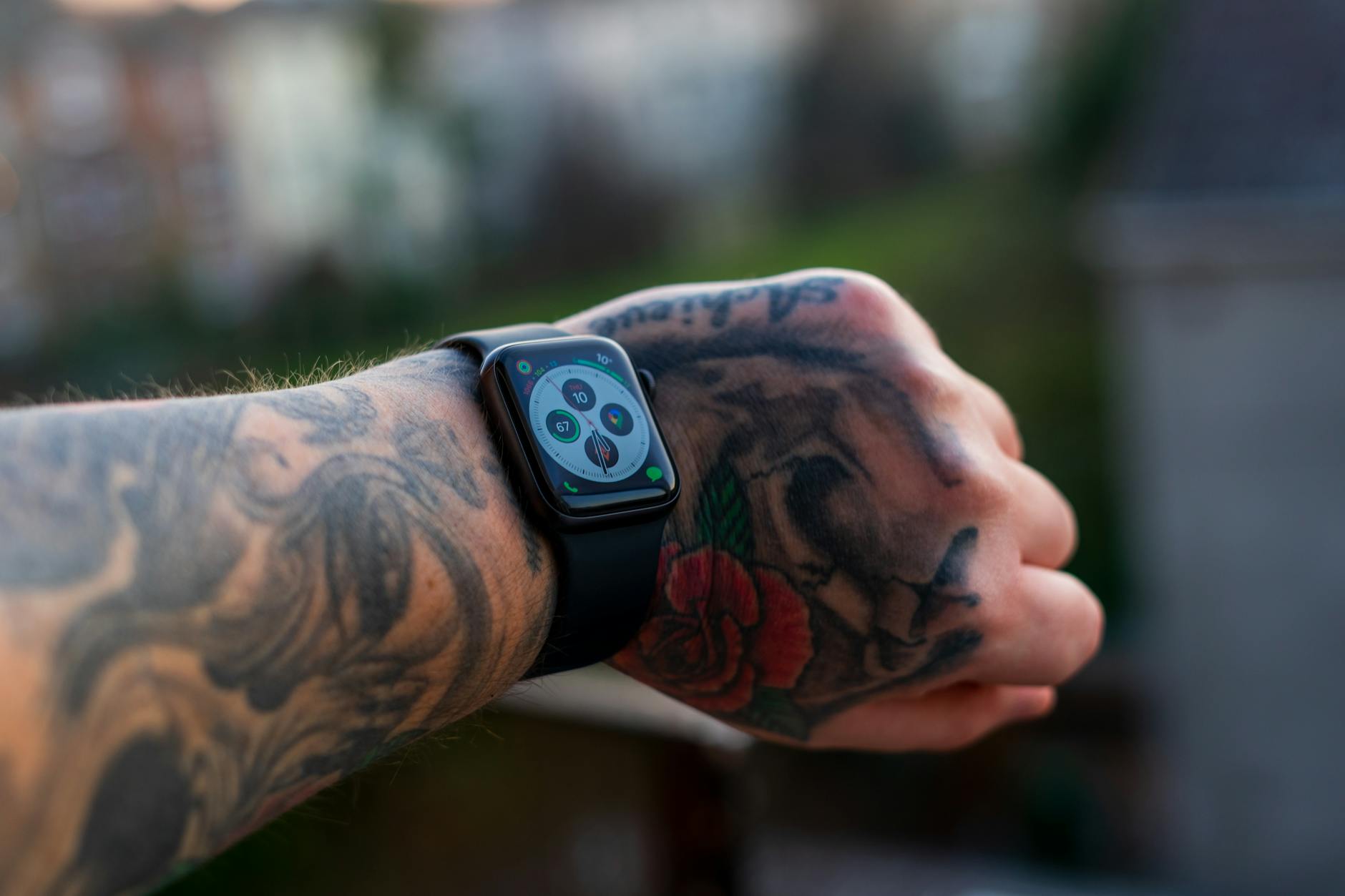
Apple Watch: Rectangular design, always-on Retina LTPO OLED display. Series 9 has 41mm or 45mm cases. Ultra 2 is 49mm with a flat sapphire crystal. Galaxy Watch: Circular design, always-on Super AMOLED display. Watch 6 has 40mm or 44mm cases; Classic adds a rotating bezel. Both are water-resistant (5ATM + IP68) and swim-proof. In Singapore's humid weather, both hold up well, but the Ultra 2 is more rugged for outdoor activities.
Health & Fitness Tracking
Both track heart rate, blood oxygen, sleep, steps, and workouts. Apple Watch: ECG, temperature sensing (for cycle tracking), and fall detection. Has a dedicated Fitness app with rings. Galaxy Watch: ECG, BioActive sensor (heart rate, body composition), and sleep coaching. Both have GPS and support automatic workout detection. For Singapore's active population, both are reliable, but Apple Watch has more third-party app support (e.g., Peloton, Nike Run Club).
Battery Life
Apple Watch Series 9: ~18 hours (always-on) to 36 hours (low power mode). Ultra 2: ~36 hours (normal) to 72 hours (low power). Galaxy Watch 6: ~40 hours (always-on) to 50 hours (low power). Classic: similar. In real-world Singapore usage (notifications, workouts, GPS), expect Apple Watch to last 1.5 days, Galaxy Watch about 2 days. Charging is fast for both—Apple Watch charges to 80% in ~45 minutes, Galaxy Watch in ~30 minutes.
Software & Ecosystem
Apple Watch: watchOS 10, with widgets, Smart Stack, and Siri. Tight integration with Apple Health and iPhone. No Android support. Galaxy Watch: Wear OS 4 with One UI Watch 5. Runs Google apps (Maps, Assistant, Play Store) and Samsung apps. Works with Android only. For Singapore users, both support local apps like Grab, DBS, and Singtel. Apple Watch has more optimized watch faces, but Galaxy Watch offers more customization.
Connectivity & Payments
Both have Bluetooth 5.3, Wi-Fi, NFC, and optional cellular (eSIM). Apple Watch: Apple Pay works with SimplyGo for MRT/Bus and most credit cards. Galaxy Watch: Samsung Pay supports SimplyGo and credit cards. Both work with local banks (DBS, OCBC, UOB). Cellular models allow calls and data without phone, but require a separate plan (e.g., Singtel, StarHub, M1).
Verdict: Which One for Whom?
Choose the Apple Watch if you own an iPhone and want the best ecosystem experience, health tracking, and a wide app selection. It's ideal for Singaporeans who are deep into Apple services and want seamless integration with their Mac or iPad. The Ultra 2 is great for outdoor enthusiasts or those who need longer battery life and ruggedness. Choose the Samsung Galaxy Watch if you use an Android phone (especially a Samsung). It offers better battery life, a more traditional watch design, and flexibility with Google apps. The Classic model's rotating bezel is a standout for navigation. For Singapore users, both are excellent, but your phone ecosystem is the deciding factor. If you're on the fence, consider the Galaxy Watch for its longer battery and lower price, or the Apple Watch for its polished experience and resale value.