At a Glance
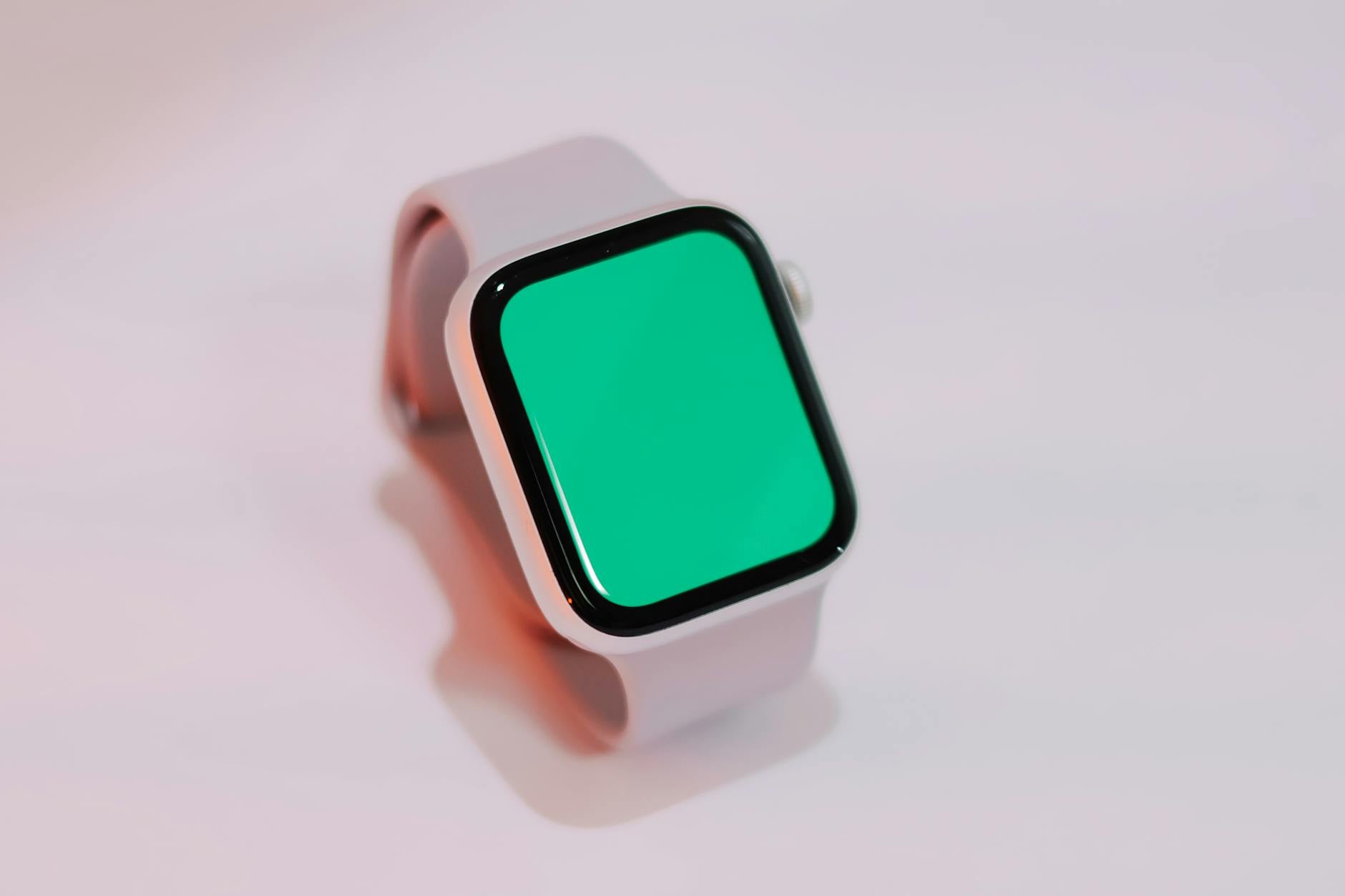
The Apple Watch and Samsung Galaxy Watch are the two dominant smartwatch ecosystems, each tightly integrated with their respective phone platforms. The Apple Watch (Series 9, Ultra 2) excels in seamless iPhone connectivity, health tracking depth, and a polished app store. The Samsung Galaxy Watch (Watch 6, Watch 6 Classic) offers broader Android compatibility, rotating bezel navigation, and advanced sleep tracking. Both have strong battery life for daily use, but the Galaxy Watch generally lasts longer on a single charge. Pricing is similar, starting around S$500, though higher-end models can exceed S$1,000. The choice largely depends on your smartphone: iPhone users should stick with Apple, while Android users—especially those with Samsung phones—will find the Galaxy Watch more versatile.
Feature-by-Feature Comparison
Pricing
Both watches span a wide price range. The Apple Watch Series 9 starts at about S$599 in Singapore, with the Ultra 2 at S$1,199. The Samsung Galaxy Watch 6 starts around S$498, and the Watch 6 Classic at S$598. The Galaxy Watch 6 Pro is priced similarly to the Apple Watch Ultra 2. Discounts and carrier deals are common, so check local retailers like Courts or Challenger. Both offer cellular versions for an extra S$100–S$150. Apple Watch pricing is fixed, while Samsung occasionally bundles with phone purchases.
Ease of Use
The Apple Watch is intuitive for iPhone users, with a digital crown and side button, plus Siri. The Galaxy Watch uses a touch bezel or rotating bezel (on Classic models), which is more precise for scrolling. Both have responsive touchscreens and customizable watch faces. Setup is straightforward: pair with your phone via Bluetooth. The Apple Watch requires an iPhone, while the Galaxy Watch works with Android 8.0+ (but not iOS). For Singaporeans, both support local languages like English and Chinese. The Galaxy Watch's Wear OS interface is more flexible for power users, but Apple's watchOS is smoother for everyday tasks.
Integrations
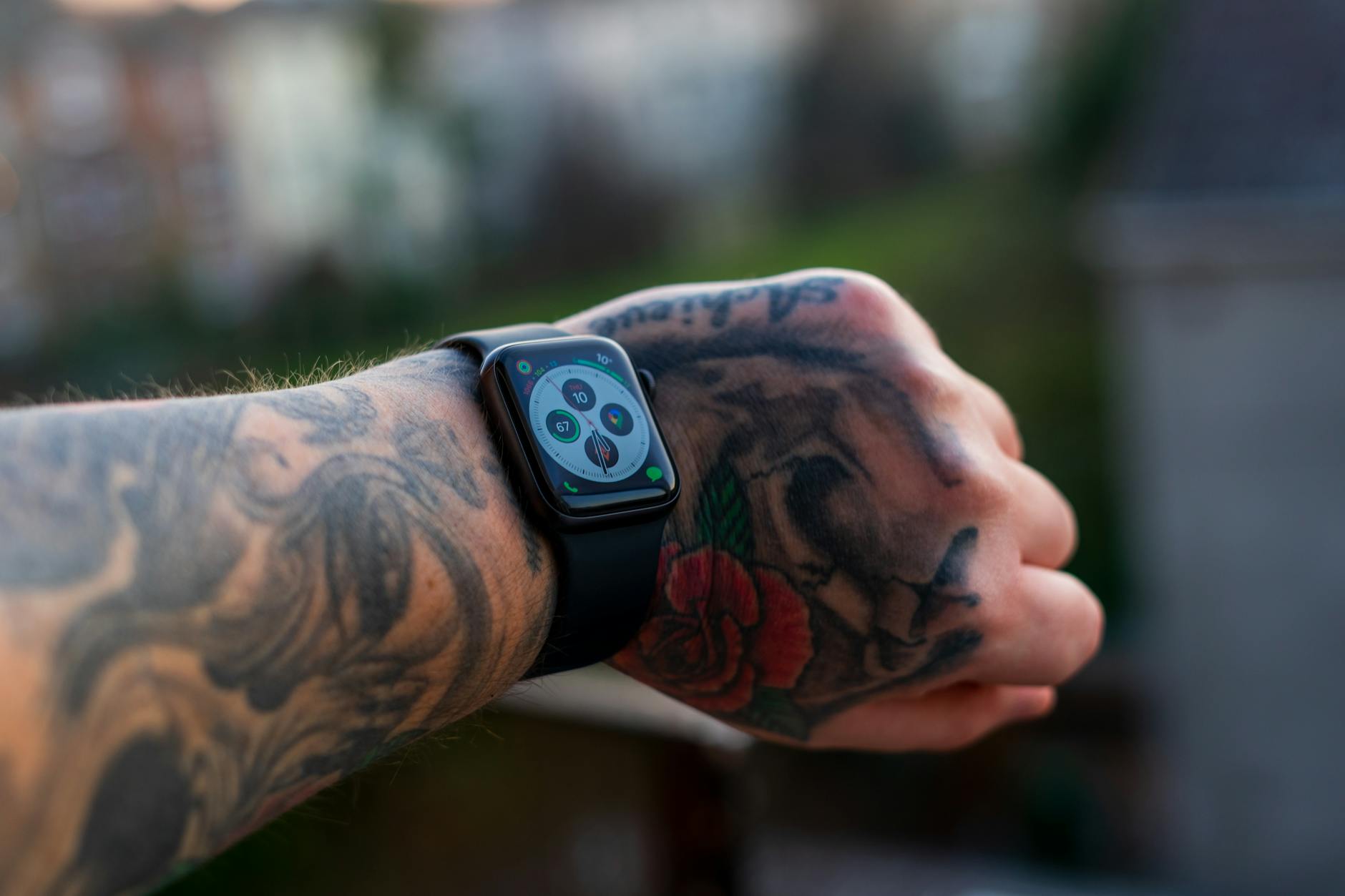
Apple Watch integrates deeply with Apple Health, Fitness+, and the iPhone's ecosystem—including calls, messages, and Apple Pay (supported at many Singapore retailers). It also works with third-party apps like Spotify and Strava. The Galaxy Watch runs Wear OS, which offers Google Assistant, Google Maps, and Google Wallet. Samsung Health syncs with other Samsung devices and some third-party apps. For Singapore-specific integrations, both support local transit cards (Apple Pay for SimplyGo, Samsung Pay for EZ-Link). However, the Galaxy Watch is more open to Android apps, while Apple Watch has a larger curated app store. Neither works with the other's phone ecosystem.
Support
Apple provides official support via Apple Stores in Singapore (Orchard Road, Jewel Changi) and authorized service centers. Warranty is one year, extendable with AppleCare+. Samsung has service centers across Singapore (e.g., Plaza Singapura, VivoCity) and offers one-year warranty, plus extended plans. Both companies offer online support and chat. For repairs, Apple tends to be faster but pricier; Samsung is more affordable. Community forums are active for both. In Singapore, both brands have strong local presence, so getting help is easy.
Best For
- Apple Watch: iPhone users who want seamless integration, robust health features (ECG, blood oxygen, temperature sensing), and a polished experience. Ideal for fitness enthusiasts and those invested in Apple's ecosystem.
- Samsung Galaxy Watch: Android users (especially Samsung phone owners) who value battery life, rotating bezel, and advanced sleep tracking. Great for those who want a versatile smartwatch that works with non-Samsung Android phones.
Verdict: Which One for Whom
If you're an iPhone user in Singapore, the Apple Watch is the only logical choice—its integration is unmatched. For Android users, the Samsung Galaxy Watch is the superior option, offering better battery life, a more flexible OS, and compatibility with a wider range of phones. Both are excellent, but the decision hinges on your smartphone. If you're on the fence, consider your priorities: health tracking depth (Apple leads), battery life (Samsung wins), or app ecosystem (Apple has more, but Samsung's is catching up). Ultimately, try both in-store at a retailer like Best Denki to see which interface you prefer.