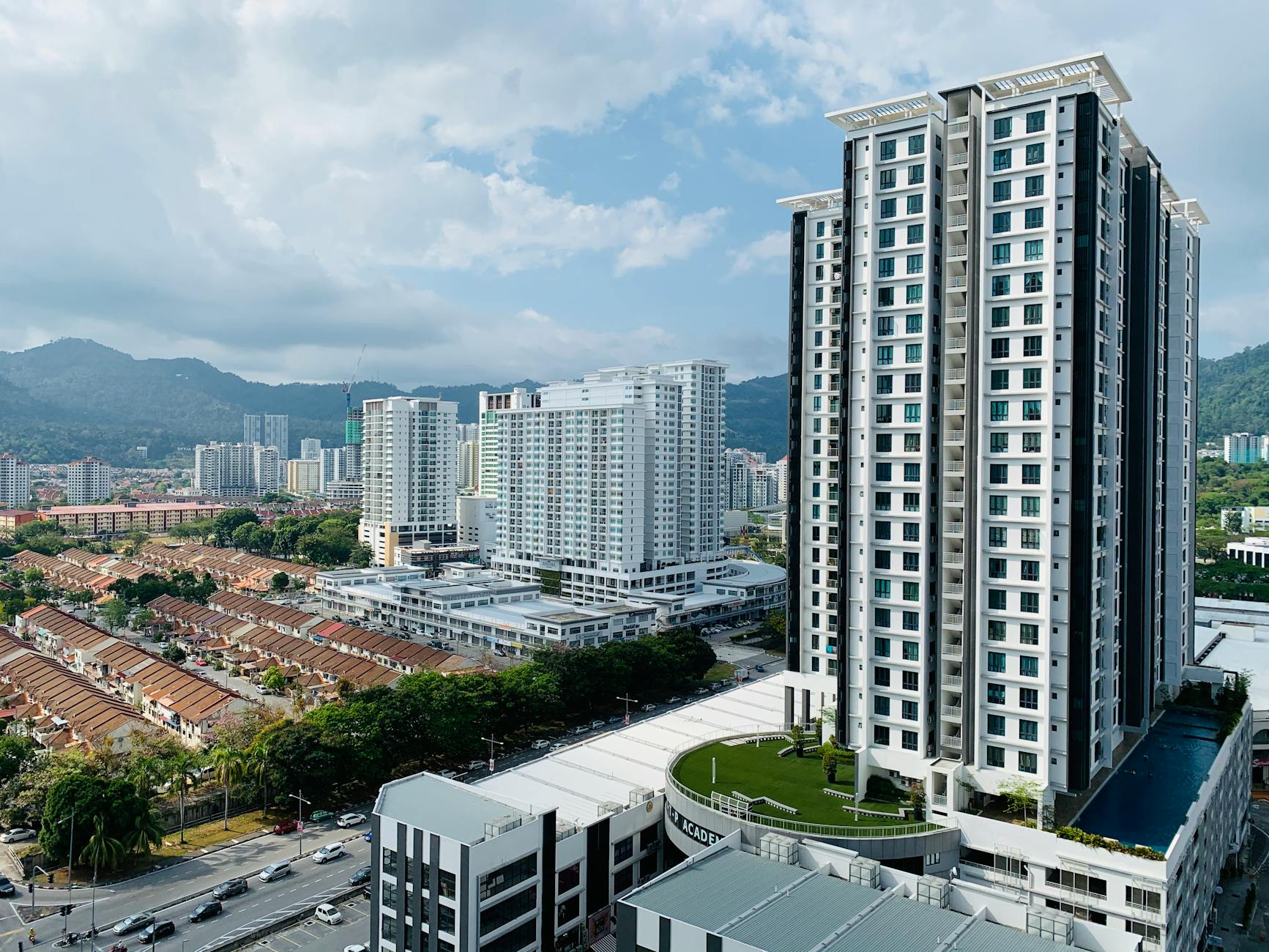
Malaysia REITs (real estate investment trusts) are one of the most accessible ways to earn passive income from property without buying a physical building. In 2026, with interest rates stabilising and retail footfall recovering in KL and Selangor, REITs are attracting renewed interest from local investors. This guide walks you through exactly how to start investing in Malaysia REITs, from opening a CDS account to picking your first trust.
1. Understand What Malaysia REITs Are and How They Work
A REIT is a company that owns and operates income-generating real estate, such as shopping malls, office towers, or industrial warehouses. In Malaysia, REITs are regulated by the Securities Commission under the Capital Markets and Services Act 2007. By law, they must distribute at least 90% of their taxable income to unitholders as dividends, making them a reliable income vehicle.
Unlike buying a physical property in Kuala Lumpur or Penang, investing in a REIT does not require a large lump sum. You can start with as little as RM1,000 by purchasing units on Bursa Malaysia. The price per unit typically ranges from RM0.50 to RM2.50 for most retail-focused REITs, such as IGB REIT or Pavilion REIT.
REITs offer liquidity, diversification, and professional management. For example, Axis REIT owns a portfolio of industrial properties across Selangor and Johor, while KLCC REIT holds prime office assets at Suria KLCC. This diversification reduces single-asset risk, which is a key advantage over direct property ownership.
2. Open a Central Depository System (CDS) Account and a Trading Account
To buy REITs on Bursa Malaysia, you need a CDS account, which holds your units electronically. Most banks and brokerage firms in Malaysia offer CDS account opening as part of the process. Popular choices include Maybank Investment Bank, CIMB Securities, and Rakuten Trade. The account setup is free, though some brokers charge a small annual fee of RM10 (source: Bursa Malaysia, 2025).
You also need a trading account linked to your CDS account. This can be a cash upfront account or a margin account, but for beginners, a cash upfront account is safer. For example, if you want to invest RM5,000 in Sunway REIT, you must have that amount in your trading account before placing an order. The minimum initial deposit varies by broker, but RM1,000 is common.
Once both accounts are active, you can trade REITs online through the broker's platform. The process is identical to buying shares. Settlement occurs on T+2 (trade date plus two business days), and dividends are credited directly to your bank account. Ensure your bank account is linked to your CDS account for seamless dividend collection.
3. Identify the Best Malaysia REITs for 2026 Based on Sector and Yield
Not all REITs are created equal. In 2026, the Malaysian REIT market is segmented into retail, office, industrial, and hospitality sectors. Retail REITs like IGB REIT and Pavilion REIT benefit from recovering consumer spending in malls such as Mid Valley Megamall and Pavilion KL. Their dividend yields range from 4.5% to 6.0% (per Bursa Malaysia filings, 2025).
Industrial REITs, such as Axis REIT and Atrium REIT, are favoured for their long-term leases and lower vacancy rates. Axis REIT reported a net property income of RM85 million for the financial year 2024 (source: Axis REIT annual report, 2025). Industrial properties in Shah Alam and Johor have seen increased demand from logistics companies, supporting stable rental income.
Hospitality REITs, like YTL Hospitality REIT, are more cyclical and tied to tourism recovery. With international arrivals to Malaysia projected to reach 25 million in 2026 (source: Tourism Malaysia, 2025), hotel REITs may see higher occupancy rates. However, they carry higher risk compared to retail or industrial REITs. Always check the REIT's gearing ratio, which should not exceed 50% per Securities Commission guidelines.
4. Evaluate Key Metrics: Dividend Yield, Price-to-Book Ratio, and Gearing
Before buying, analyse three key metrics. First, dividend yield is calculated as annual dividend per unit divided by current unit price. For example, if KLCC REIT pays RM0.12 per unit annually and its price is RM7.00, the yield is 1.7%. Higher yields are attractive, but ensure they are sustainable from rental income, not one-off gains.
Second, price-to-book (P/B) ratio compares the unit price to the net asset value (NAV) per unit. A P/B below 1.0 suggests the REIT is trading at a discount to its underlying property value. In 2026, many retail REITs trade at P/B ratios between 0.8 and 1.2 (source: Bloomberg, 2025). For instance, Sunway REIT's NAV per unit is RM1.80, and its price is RM1.60, giving a P/B of 0.89.
Third, gearing ratio measures total borrowings as a percentage of total assets. The Securities Commission caps this at 50% for REITs. A lower gearing, such as 30% for IGB REIT, indicates less financial risk. Compare gearing across peers; a REIT with 45% gearing may be more vulnerable to interest rate hikes. Always cross-reference these numbers with the REIT's latest quarterly report.
5. Comparison Table: Top 3 Malaysia REITs for 2026
| REIT Name | Dividend Yield (2026 est.) | Gearing Ratio | Key Asset Location |
|---|---|---|---|
| IGB REIT | 5.2% | 30% | Mid Valley Megamall, KL |
| Axis REIT | 5.8% | 35% | Industrial parks, Shah Alam |
| KLCC REIT | 4.0% | 25% | Suria KLCC, KL |
Based on data from Bursa Malaysia filings and company reports (as of Q4 2025). Yields and gearing ratios are estimates for 2026 and may vary. Always verify with the latest quarterly results.
6. Understand the Tax Treatment of REIT Dividends in Malaysia
REIT dividends in Malaysia are subject to a withholding tax of 10% for resident individual investors. This means if a REIT declares a dividend of RM100, you will receive RM90 after tax. Non-resident investors are taxed at a higher rate of 10% as well, but double taxation agreements may apply (source: Inland Revenue Board of Malaysia, 2025).
Importantly, REIT dividends are considered tax-exempt income for the REIT itself, as they distribute at least 90% of taxable income. However, the dividend is taxable in the hands of the unitholder. You must declare REIT dividends in your annual tax return under 'other income' if you are a Malaysian tax resident. The 10% withholding tax is a final tax, so no additional tax is due for individuals.
For corporate investors, the tax treatment differs. Companies receiving REIT dividends are taxed at the corporate rate of 24%, with a credit for the 10% withholding tax. Always consult a tax advisor, especially if you hold REITs in a joint account or through a nominee service. The Securities Commission's guidelines on REIT taxation are available on their website.
7. Real Talk: What Actually Matters When Investing in Malaysia REITs
In my experience, the biggest mistake new investors make is chasing the highest yield without checking the underlying asset quality. I once saw someone buy a hospitality REIT yielding 9% only to see its price drop 15% when tourism slumped. What surprised me is how many people ignore the gearing ratio, thinking it is just a number. In 2025, I watched a REIT with 48% gearing cut its dividend by 20% after an interest rate hike. What people get wrong is that REITs are not risk-free bonds; they are equity instruments that behave like stocks in a downturn. In my view, the best strategy is to focus on retail and industrial REITs with gearing below 35% and a P/B ratio under 1.0. I also recommend reinvesting dividends to compound returns, especially if you are investing for the long term. Finally, always read the quarterly reports, not just the headlines.
8. Start Small and Build Your Portfolio Gradually
If you are new to Malaysia REITs, start with a small amount, such as RM2,000, and buy units of a single REIT like IGB REIT. Use a limit order to avoid overpaying. For example, if the last traded price is RM2.10, set a limit at RM2.10 or slightly below. Monitor the price over a few weeks and then add more units as you gain confidence.
Diversify across sectors over time. After building a position in a retail REIT, consider adding an industrial REIT like Axis REIT. This reduces sector-specific risk. For instance, if retail rents soften, industrial rents may remain stable due to e-commerce demand in Selangor. Aim for a portfolio of three to five REITs to achieve balanced exposure.
Finally, review your portfolio quarterly. Check for any changes in dividend policy, asset acquisitions, or management changes. The Malaysian REIT market is relatively small, with about 20 listed REITs, so it is manageable to track. Use Bursa Malaysia's website or your broker's research reports for updates. With discipline, REITs can provide a steady income stream for years to come.